
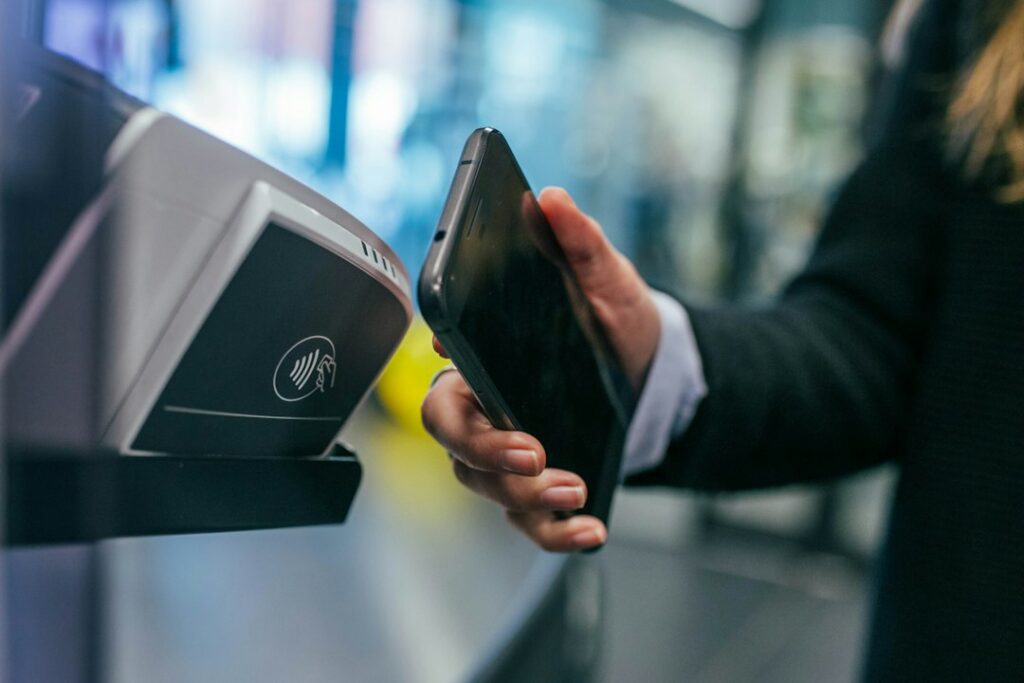
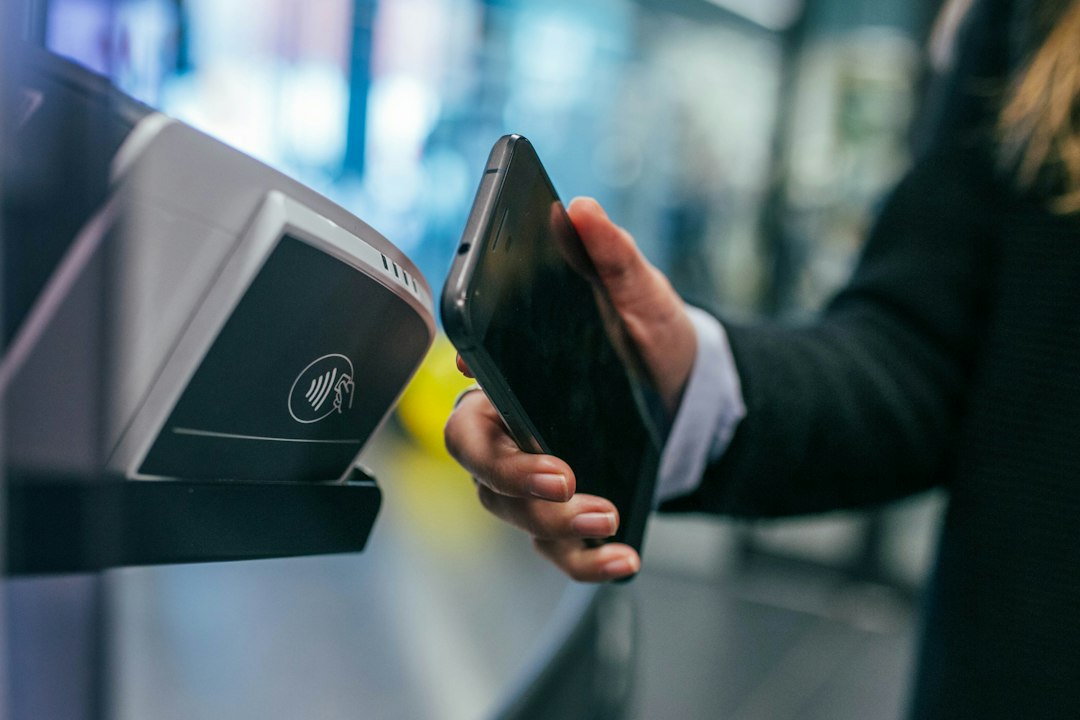
Your AI Agent Can Pay. Proving It Had Permission Is Harder.
Machine-speed commerce does not remove authorization. It turns intent, identity, liability, and fraud into payment infrastructure.
Federal Reserve Governor Christopher Waller’s September 29 remarks at Sibos separate two models of agentic commerce. In an assisted model, an AI agent helps a buyer search and compare, but the buyer decides and pays. In a delegated model, the buyer gives an agent authority to shop and pay within specified constraints.
Delegation creates a new evidence chain
A delegated payment needs more than a valid credential. It needs a traceable grant of authority, machine-readable limits, a record of what the agent observed, and evidence connecting the final purchase to the user’s intent. Without that chain, a technically valid transaction can still be operationally unauthorized.
Waller identifies authentication, liability, and fraud as central barriers to scale. If an agent buys the wrong item, exceeds a budget, responds to manipulated data, or uses a compromised credential, the payment system needs to determine who is responsible. Existing e-commerce frameworks may adapt, but agent behavior creates new ambiguity.
Machine speed changes the rails
Business-to-business purchases may be well suited to agents because approved suppliers, budgets, and recurring rules create natural constraints. Yet higher transaction values also amplify mistakes. Agents may need to move across cards, ACH, wires, and instant-payment rails while optimizing timing and working capital.
They may also generate micropayments for model queries, price feeds, and APIs before completing a purchase. That pattern favors rails with low flat fees, but it also creates a dense sequence of small events whose lineage must remain connected to the final commercial decision.
Fraud models trained on humans will drift
Existing fraud systems infer risk from human payment behavior. Waller notes those models may not translate cleanly to agents. An always-on buyer can transact at unfamiliar hours, compare thousands of products, and create bursts of machine-generated payments that would look anomalous under a human baseline.
The opposite risk is just as important: normal agent behavior could provide camouflage for malicious automation. Recalibration must preserve the distinction between a new legitimate pattern and an adversary imitating it.
Interoperability is market structure
Technology firms, merchant platforms, payment providers, and card networks are developing standards for agent registration and logging cardholder approvals. The open question is whether commerce converges on platform-specific systems or interoperable standards that work across merchants, agents, and payment methods.
Closed systems can offer tighter control. Open systems can preserve buyer choice and reduce entry barriers for smaller merchants and payment providers. Neither architecture is automatically safer. Authority, auditability, revocation, and dispute handling have to survive across the chosen boundary.
The ATLAS4 read
The digital edge is not autonomous spending. It is bounded autonomy with reconstructable intent. A credible agentic-payment system should preserve who authorized the agent, what constraints applied, which data informed the choice, when each step occurred, how authority can be revoked, and who absorbs loss when the chain breaks.
Until those elements are independently testable, agentic commerce remains an emerging operating model—not settled payment infrastructure. The next evidence will come from standards, dispute outcomes, fraud performance, and real behavior across multiple rails.
Photo: Jonas Leupe via Unsplash.