

The Discount Window Is Becoming Market Infrastructure, Not a Last-Minute Phone Call
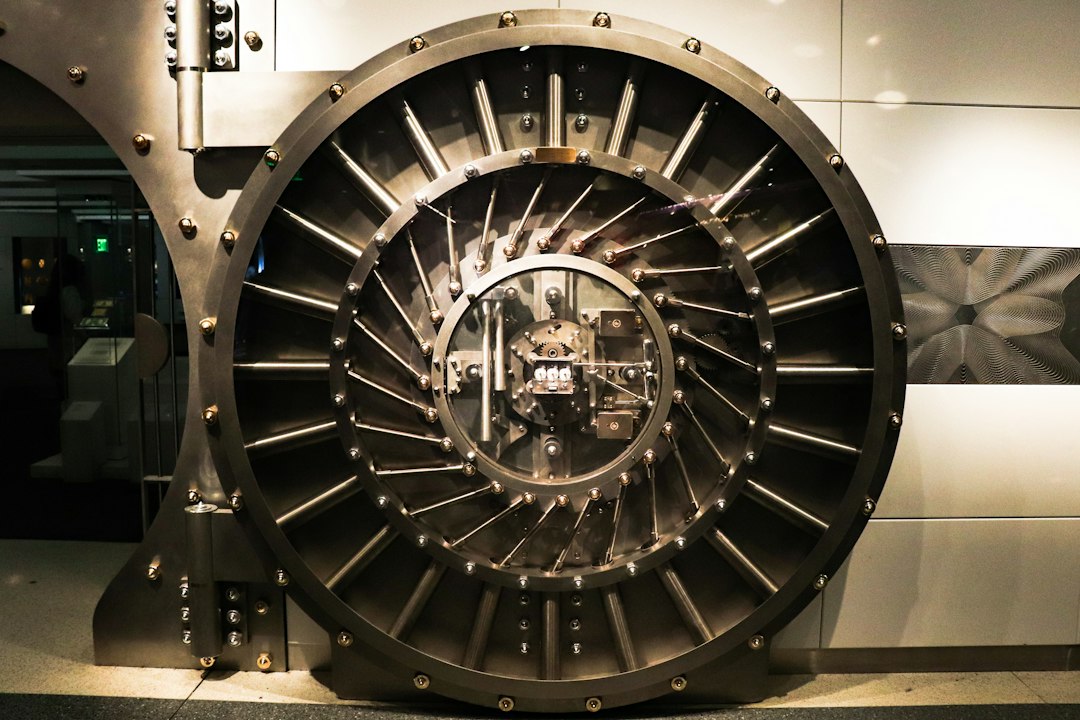
The Federal Reserve’s discount window is old infrastructure being rebuilt for markets where liquidity can move in minutes. The modernization story is operational: standardized collateral processes, electronic signatures, online borrowing and tighter coordination with Federal Home Loan Banks.
Vice Chair Philip Jefferson says more than 60% of discount-window loan requests now arrive through Discount Window Direct, the self-service portal launched in 2024.
Friction is part of liquidity risk
Reserve Banks now work under a common collateral framework with shared loan-valuation models and processing technology. Recent borrower-in-custody changes added simplified forms, faster enrollment, automated pledged-loan lists and centralized resources.
These details can sound administrative. In a fast run, they become market structure. Every manual handoff or uncertain approval path consumes time while funding pressure compounds.
The window connects to Treasury functioning
Jefferson’s remarks link bank liquidity to the Treasury market. Banks can pledge Treasury securities held in Fedwire Securities accounts and, when arrangements are already in place, obtain same-day value. That can reduce the need for forced Treasury sales during stress.
The discount window also interacts with repo and federal-funds markets by easing funding pressure at depository institutions. It is a backstop for eligible banks, not a universal facility for every leveraged participant.
Interoperability is the quiet constraint
The Federal Reserve and Federal Home Loan Banks are working to reduce the time required to reallocate collateral. That coordination matters because an asset cannot support two liquidity sources simultaneously without clear control, valuation and transfer procedures.
Operational interoperability should therefore be evaluated through tested movement, timestamps and exception handling—not memoranda alone.
ATLAS4 read: readiness before authority
Discount-window capacity should not be inferred from total collateral or a portal login. Evidence requires current enrollment, eligible collateral, operational contacts, borrowing authority, tested workflows and institution-specific liquidity needs.
The speech is an authoritative description of Federal Reserve modernization but expresses Jefferson’s views and is not a live institution-by-institution readiness report. Credible analysis keeps system capability separate from each bank’s ability and willingness to use it.
What to watch next
Useful evidence includes portal adoption, borrowing tests, collateral mobility, same-day processing, stigma indicators and behavior during quarter-end funding pressure. The policy objective is not more borrowing for its own sake. It is a backstop that works quickly enough to reduce destabilizing asset sales when private funding tightens.